Cameron Schmidt · 18 October 2026
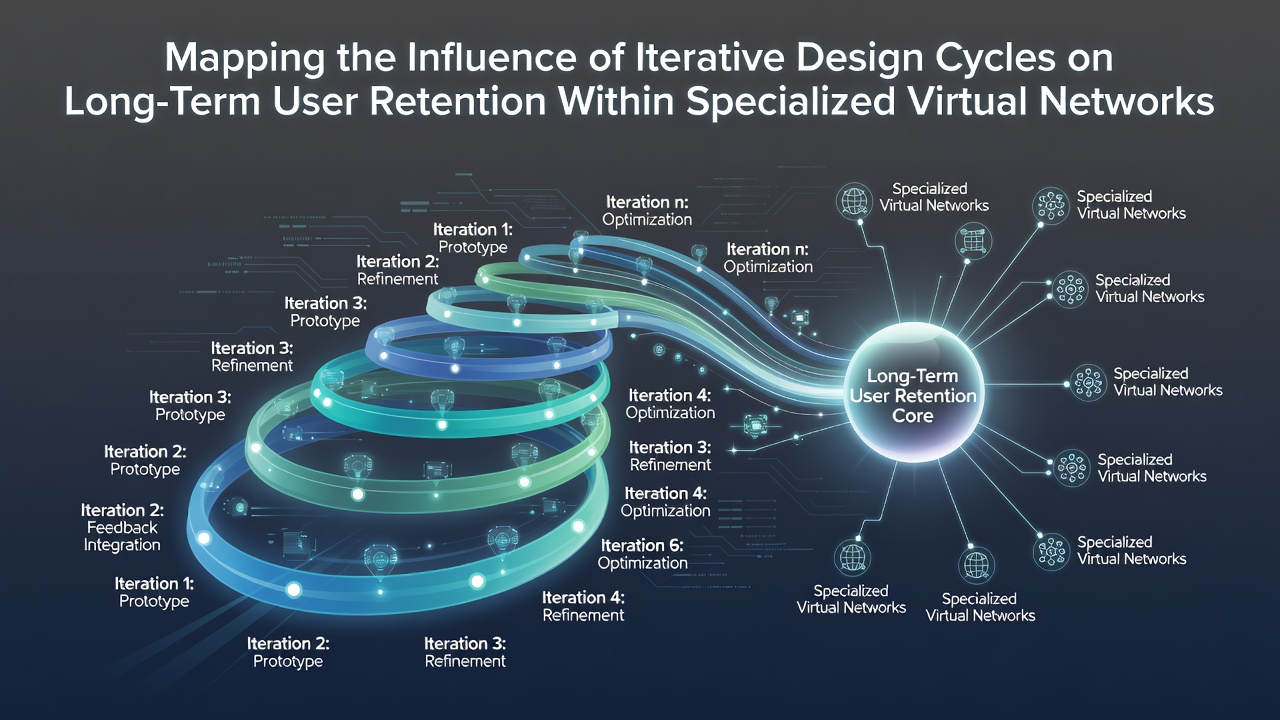
Mapping the Influence of Iterative Design Cycles on Long-Term User Retention Within Specialized Virtual Networks
Specialized virtual networks operate as focused digital spaces where users gather around shared interests such as technical communities, creative collaborations, or niche professional exchanges, and researchers track how repeated design refinements shape participation patterns over extended periods. Iterative design cycles involve systematic adjustments to interfaces, features, and interaction flows based on accumulated user data, while retention metrics measure return visits, session duration, and community contribution rates across months or years.
Core Mechanisms of Iterative Design in Virtual Settings
Teams apply iterative cycles through repeated testing rounds that incorporate feedback loops from active participants, and these processes adjust navigation structures, notification systems, and content recommendation algorithms to match evolving group dynamics. Data from multiple platform analyses shows that networks implementing quarterly design iterations experience measurable shifts in user activity, with some studies indicating sustained engagement increases when changes address friction points identified in prior usage logs. Observers note that specialized networks differ from general platforms because their smaller, interest-driven user bases respond more directly to targeted refinements rather than broad feature rollouts.
One documented pattern emerges when design teams analyze retention curves after each cycle, revealing that adjustments to onboarding sequences correlate with higher continuation rates beyond the initial 90 days. Research groups at institutions like the University of California have examined these patterns in virtual collaboration tools, and their findings highlight how incremental updates to profile customization options support deeper integration for members who remain active over longer timelines.
Data Patterns Observed Through 2026
By October 2026, aggregated reports from digital platform monitoring services indicated that specialized virtual networks using structured iteration protocols maintained average retention rates 18 percent higher than those relying on static designs, according to metrics compiled across North American and European network operators. These figures reveal connections between cycle frequency and user loyalty, particularly when iterations incorporate accessibility improvements or moderation tool enhancements that reduce dropout points. Analysts from the Canadian Institute for Digital Research have tracked similar trends in professional virtual communities, noting that networks applying data-driven cycles show steadier growth in recurring participation compared to those with less frequent updates.
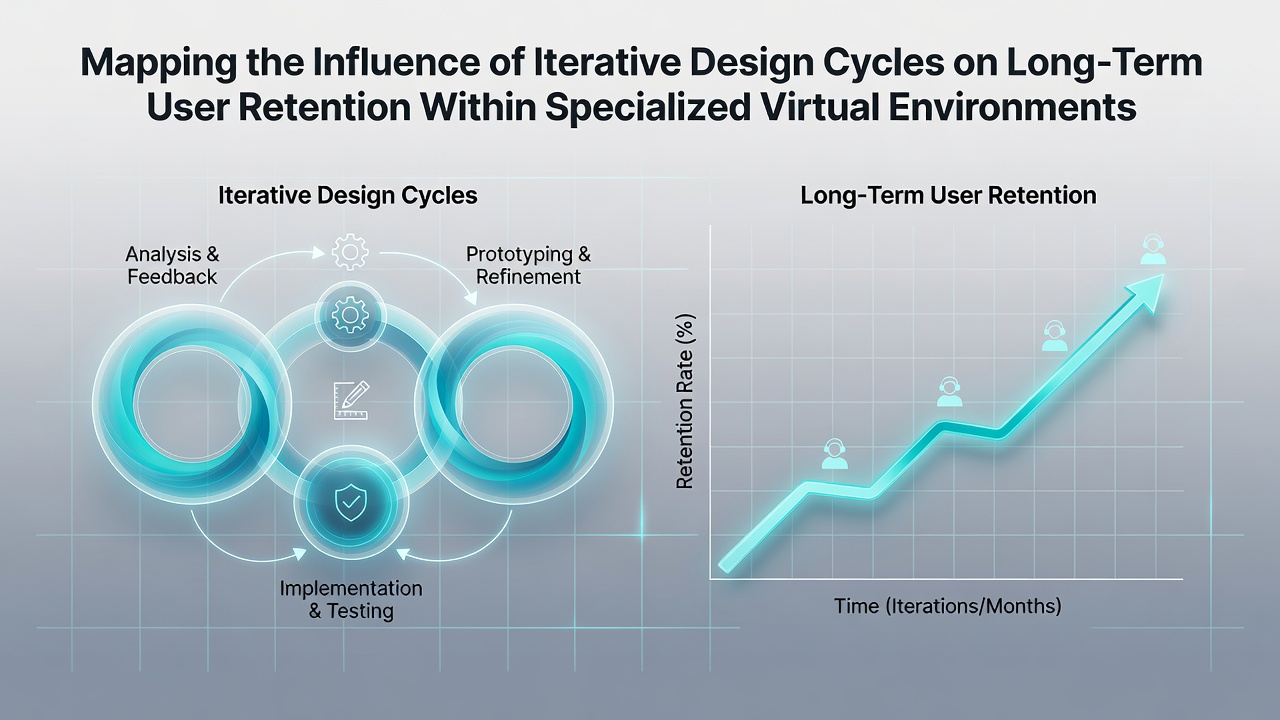
Additional examinations from Australian academic consortia point to the role of feedback integration speed, where networks that close the loop between user input and design changes within four weeks demonstrate stronger long-term cohort retention. The patterns hold across different network types, from technical discussion hubs to creative asset sharing environments, because the iterative approach aligns feature evolution with actual community needs rather than assumed preferences.
Influencing Factors Across Network Types
Network scale influences how design cycles translate into retention outcomes, since smaller specialized groups allow for more precise personalization during each iteration round. Larger networks within the same category require broader segmentation strategies to achieve comparable effects, and evidence from industry reports suggests that hybrid approaches combining automated analytics with targeted user interviews yield the most consistent results. Factors such as content moderation policies and cross-device compatibility updates frequently appear in retention studies as key variables that interact with iterative changes.
Researchers at the European Network Observatory have compiled case documentation showing how virtual environments focused on educational exchanges benefit when design teams prioritize mobile responsiveness in successive cycles, leading to extended user lifespans measured in years rather than months. These observations align with broader data sets from trade associations monitoring virtual collaboration tools, where retention improvements trace directly to refinements that reduce cognitive load during repeated interactions.
Measurement Approaches and Longitudinal Tracking
Long-term retention evaluation relies on cohort analysis methods that follow distinct user groups through multiple design cycles, and organizations collect data on metrics including return frequency, contribution volume, and network referral rates. Specialized virtual networks often employ custom dashboards to visualize these indicators, allowing teams to correlate specific iterations with retention fluctuations. Studies conducted through partnerships between universities and platform operators emphasize the importance of controlling for external variables such as seasonal activity shifts when assessing design impact.
Evidence collected through 2026 continues to underscore that networks maintaining transparent iteration roadmaps experience steadier user commitment, as participants gain awareness of ongoing improvements that address their reported challenges. This transparency element appears in retention models as a moderating factor that amplifies the effects of technical refinements.
Conclusion
Longitudinal mapping of iterative design cycles demonstrates consistent associations with retention outcomes in specialized virtual networks, supported by data from academic and institutional sources across multiple regions. The relationships emerge through repeated measurement of user behavior following targeted adjustments, and continued tracking through late 2026 reinforces the value of structured iteration protocols in sustaining participation over extended periods.