Taylor Lange · 4 October 2026
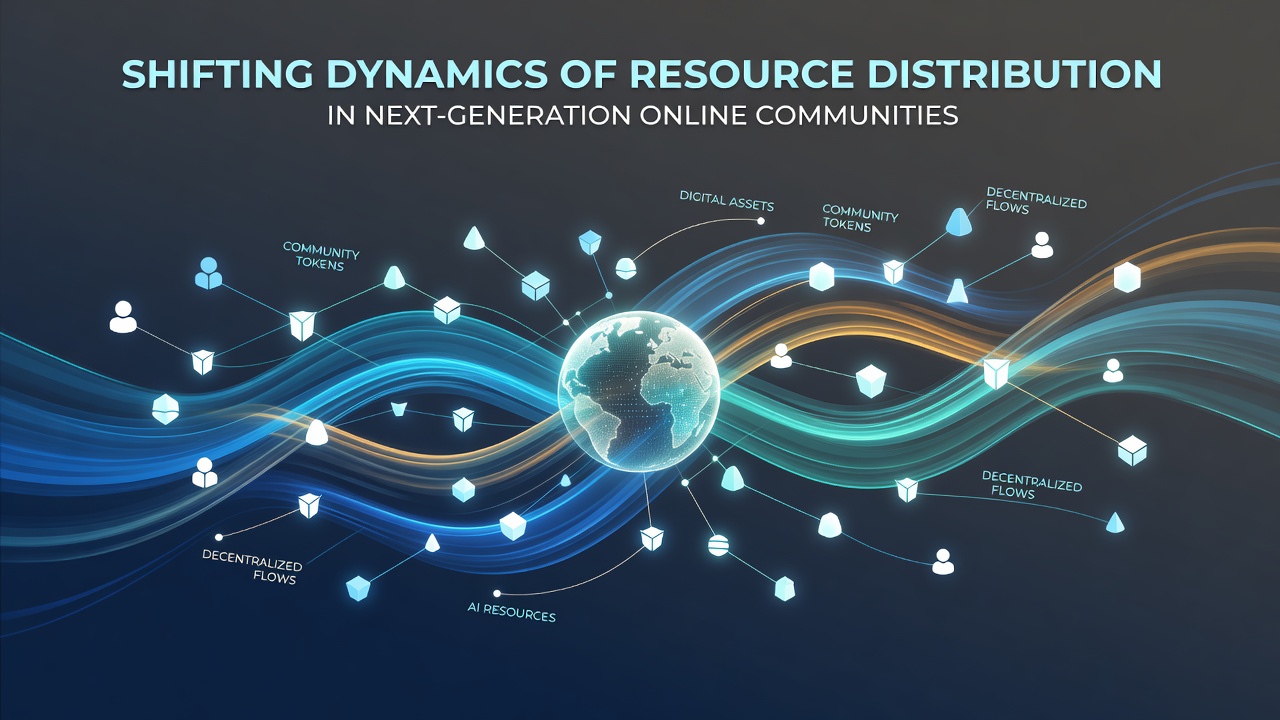
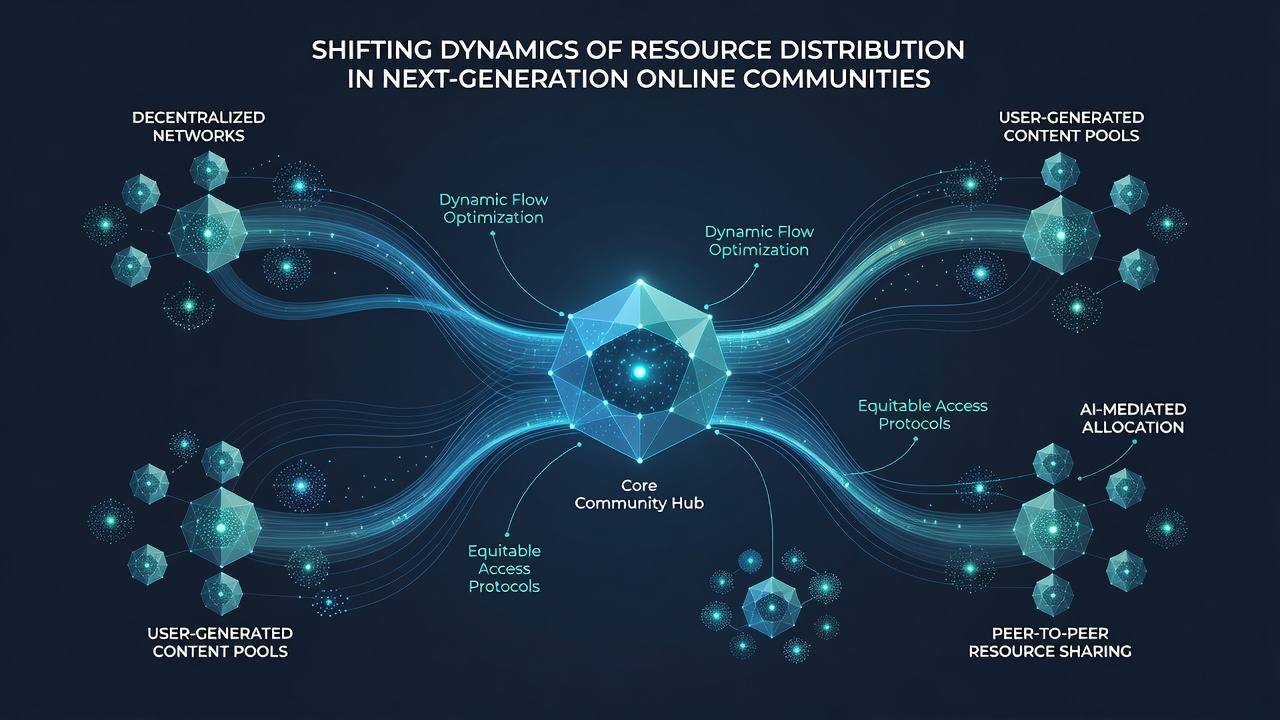
Shifting Dynamics of Resource Distribution in Next-Generation Online Communities
Next-generation online communities have expanded beyond simple forums and social networks into complex ecosystems where digital resources move through layered protocols, token systems, and governance models that reshape how participants access and allocate value. These platforms integrate elements from blockchain networks, virtual reality environments, and data-driven moderation tools, creating distribution patterns that differ sharply from earlier centralized models.
Evolution of Resource Mechanisms
Traditional communities relied on administrators who controlled access through subscriptions or manual approvals, yet newer structures distribute decision-making across token holders and algorithmic systems. Researchers at various academic institutions have documented how platforms such as decentralized autonomous organizations allocate governance tokens proportionally to contributions, allowing members to vote on budget expenditures and feature development. Data from industry reports indicate that by October 2026, participation in these token-based systems had increased across multiple continents, with measurable shifts in how computing power, storage space, and content visibility get assigned.
Communities built on Web3 frameworks often employ smart contracts to automate payouts for user-generated content, while metaverse environments distribute virtual land parcels and in-world assets through auction mechanisms tied to real-time demand. Observers note that these automated processes reduce bottlenecks associated with human moderators but introduce volatility when token prices fluctuate.
Technological Drivers Behind Redistribution
Blockchain ledgers record every transfer of digital assets in publicly verifiable sequences, enabling transparent tracking of resource movement across borders. Studies conducted by European research consortia show that interoperability protocols now allow assets created in one virtual world to migrate into another, expanding the scope of what counts as transferable value. This connectivity relies on standardized metadata formats and cross-chain bridges that handle settlement without requiring centralized custodians.
Artificial intelligence tools analyze engagement metrics to prioritize resource allocation, directing server capacity toward high-traffic channels or surfacing user posts that match community-defined criteria. Figures from North American technology councils reveal that platforms integrating these AI layers report faster response times for content delivery and more granular control over bandwidth usage during peak periods.
Regional Variations in Implementation
Communities operating under different regulatory environments adopt distinct approaches to resource distribution. In jurisdictions with strong data-protection statutes, platforms emphasize user consent mechanisms before redistributing personal information or computational resources, whereas regions focused on innovation incentives permit broader experimentation with tokenized rewards. Government agencies in Canada and Australia have published guidelines that clarify tax treatment of digital asset transfers, helping community operators structure their allocation systems accordingly.
One notable case involves a multinational gaming collective that shifted its reward pool from a single central treasury to a distributed staking model, resulting in wider participation from contributors across time zones. Documentation from that transition highlights how smart-contract triggers adjusted payouts based on verified activity levels rather than manual review cycles.
Challenges in Maintaining Equilibrium
Concentration of tokens among early adopters remains a documented concern, as network effects can amplify initial advantages and limit access for newer members. Academic analyses from multiple universities demonstrate that communities attempting to counteract this trend through quadratic voting or time-weighted distributions achieve more balanced participation rates over successive funding rounds. Yet implementation requires precise calibration to avoid underfunding essential infrastructure.
Security incidents involving compromised wallets or exploited contracts continue to affect resource flows, prompting platforms to integrate multi-signature requirements and insurance pools. Industry associations tracking these events report that recovery times have shortened as standardized audit practices become more widespread.
Conclusion
Resource distribution in next-generation online communities continues to evolve through the interplay of technical protocols, regulatory frameworks, and participant governance. Platforms that combine transparent ledgers with adaptive algorithms demonstrate measurable changes in how value circulates among members, while regional policy differences shape the pace and form of adoption. Ongoing data collection from diverse sources provides the foundation for understanding these patterns as they develop through 2026 and beyond.